ISO certified unit in India that manufactures of Strainer

ISO certified unit in India that manufactures of Strainer
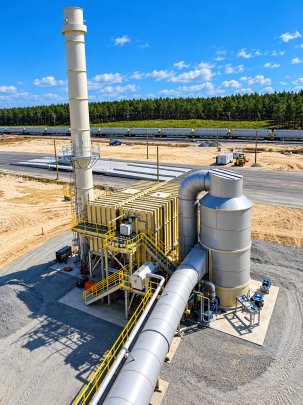
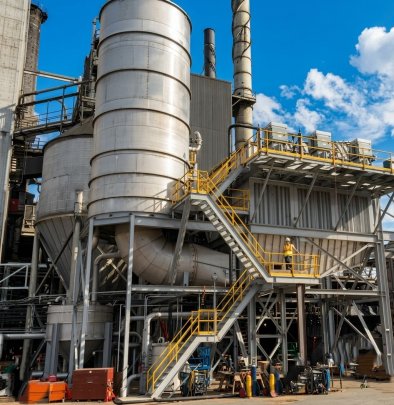
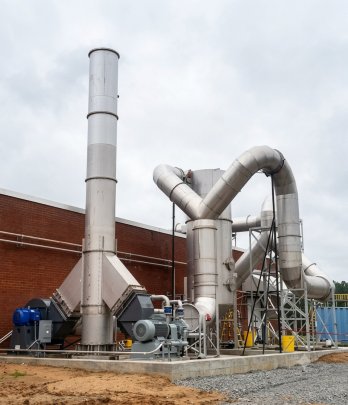
Our Wet and Dry Scrubber systems are engineered to meet US EPA MACT, EU IED, and local acid-gas emission limits, with removal efficiencies validated against SOx, HCl, NOx, and particulate targets used by global power, chemical, and waste-to-energy operators.
Engineering & Working Principle
Wet Scrubbers (Venturi, Packed Bed, Spray Tower): Gas contacts a scrubbing liquid (water or alkaline reagent) at controlled liquid-to-gas (L/G) ratios of 0.5–3 L/m³, achieving intimate gas-liquid contact through venturi throats, packed media, or fine sprays. Absorbed pollutants form a slurry, which is dewatered and treated per local discharge norms.
Dry Scrubbers (Dry Sorbent Injection / Circulating Fluid Bed): A fine alkaline sorbent (hydrated lime, sodium bicarbonate) is injected into the gas stream at controlled stoichiometric ratios (1.2–2.0x theoretical), reacting with acid gases before being captured downstream by a baghouse — producing a dry, easily disposed byproduct with zero wastewater.
Technical Specifications
Standards Compliance
Engineered to support compliance with US EPA MACT/NESHAP, EU IED BAT reference documents, and CPCB emission norms
Key Features
Applications
Waste-to-energy and incineration plants, chemical and pharmaceutical manufacturing, power generation, fertilizer plants, metal processing, and odor control.
Why It Outperforms Standard Designs
Our scrubbers are sized using validated mass-transfer models (not generic L/G assumptions), and are CEMS-integration ready from day one — matching the compliance-grade monitoring standard required by EU IED and US EPA permitted facilities.
Benefits
Wet scrubbers (venturi, packed-bed, spray tower) are ideal when you need combined particulate and gas removal and can manage wastewater treatment; dry scrubbers (sorbent injection) are preferred when you want zero wastewater liability and easier byproduct disposal.
Wet lime/limestone systems typically achieve 90–98% SOx removal; dry sorbent injection systems can achieve up to 99% HCl and acid-gas removal depending on stoichiometric ratio and contact time.
Both — wet scrubbers (especially venturi types) remove particulates through liquid-droplet impaction, while dry scrubbers rely on a downstream baghouse to capture the reacted dry byproduct along with any particulate matter.
Yes — our scrubber systems are CEMS-integration ready from design stage, simplifying regulatory reporting for facilities operating under EU IED or US EPA permit conditions.
FRP, PP-lined vessels, or high-alloy steel are selected based on the specific acid gas composition and concentration, ensuring long service life without the corrosion-related failures common in improperly specified scrubbers.