ISO certified unit in India that manufactures of Strainer

ISO certified unit in India that manufactures of Strainer
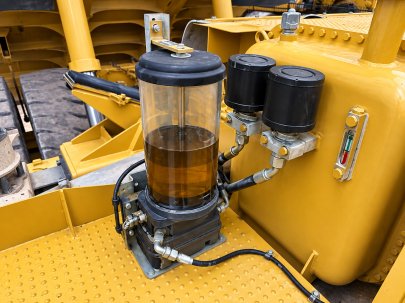
Onboard Automatic Chassis Lubrication Systems are standard equipment on premium commercial vehicle platforms worldwide — because manual chassis greasing simply cannot keep pace with duty cycles in construction, mining, and long-haul fleets. Our systems are engineered to SAE J755 and ISO 15552 mounting/interface compatibility for seamless OEM and retrofit integration.
Engineering & Working Principle
A vehicle-mounted electric or ground-driven pump pressurizes grease from an onboard reservoir (1–8 liter capacity typical) and delivers metered doses via progressive metering blocks to king pins, U-joints, brake camshafts, fifth-wheel plates, and suspension pivots — activated on ignition-cycle timers or distance-based triggers via the vehicle's telematics/CAN-bus interface.
Technical Specifications
Standards Compliance
SAE J755, ISO 15552 mounting compatibility, CE-marked electronic controllers
Key Features
Applications
Heavy trucks, buses, semi-trailers, construction and earthmoving vehicles, agricultural machinery, and defense/off-road vehicles.
Why It Outperforms Standard Systems
Fleet operators using OEM-grade automatic lubrication report chassis-component failure reductions matching those seen on premium truck and construction-equipment brands — because lubrication happens on the vehicle's schedule, not the driver's memory.
Benefits